
By Fendy S. Tulodo
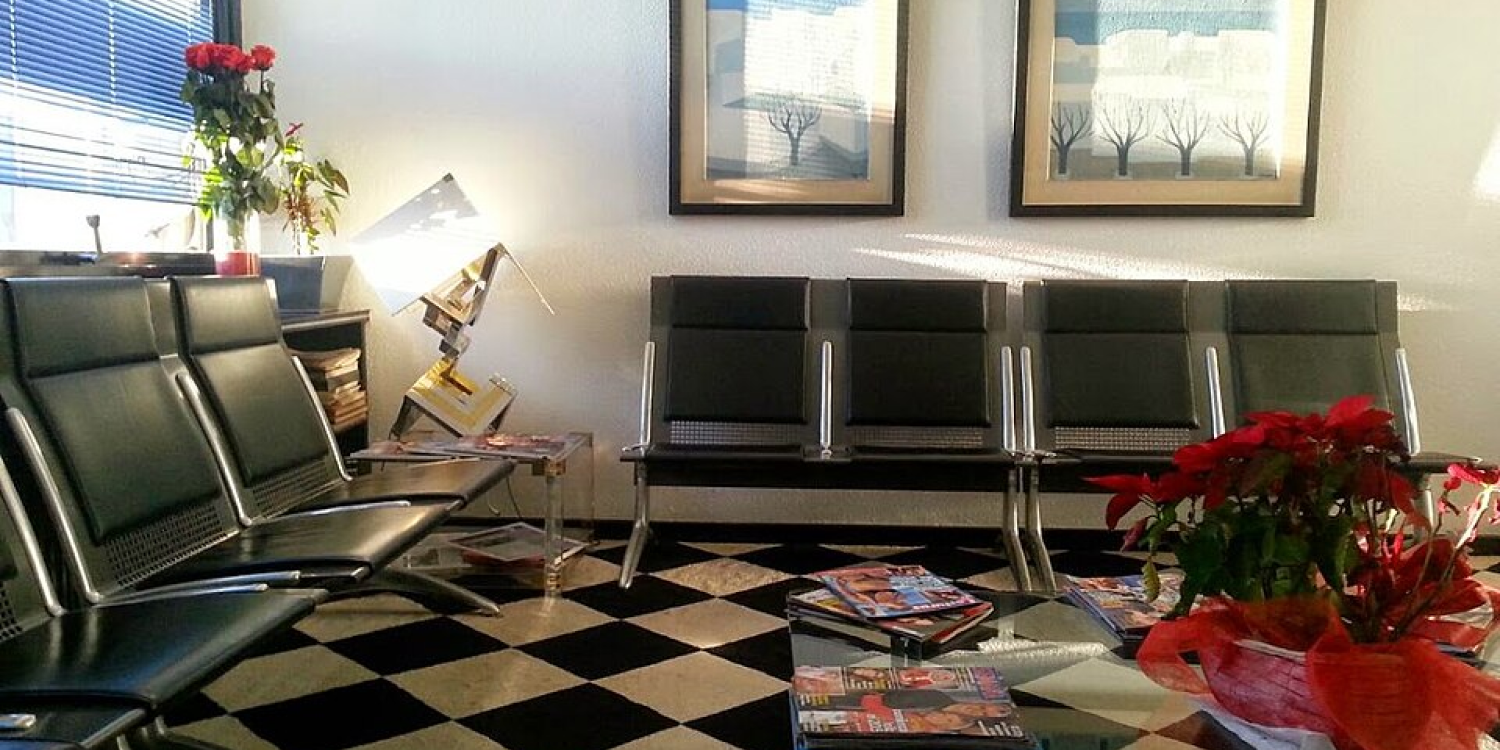
I did not plan to open the waiting hall early. I arrived before the lights warmed, because the locks on the sliding gate stuck when the air stayed cool. That gate never liked being hurried. I carried a ring of keys with paint worn off, each key chosen by weight rather than label. The hall had chairs set in a loose circle, no desk, no forms, no clipboards. A stroller sat near the wall, empty, handle folded like a memory tucked away.
A man stood outside the gate, palms flat on the bars. He did not knock. He counted breaths with his fingers, then stopped counting. When he saw me, he said my name.
“Luca,” he said, said it careful, as if the name had a fee.
“What are you waiting for?” I replied. The gate still closed between us.
His hand touched his own chest, then he pointed past me to all those empty chairs. “They sent me here.”
“They send many people,” I said, and opened the gate with the heavier key.
The hall took people without asking what they were. That was the rule, the rule that caused trouble. We had removed diagnosis papers weeks ago. The bin where papers once landed still sat by the door, its plastic sides scuffed. People kept trying to place things inside it. Receipts, cards, folded letters. I took them out at closing and returned them, one by one, to hands that trembled or held steady.
The man took a chair. He chose one with a loose screw that tapped when the weight shifted. He did not complain. He set his shoes together, soles touching.
“You can sit,” I said, though he already did. “You can wait. Or you can leave and come back.”
“Wait,” he said. “They told me waiting was required.”
“They told you wrong,” I said and checked the light panel. Two bulbs dark. I swapped one with a spare from the shelf. The shelf held cups, water jugs, soft blankets, and toys with paint chipped from being shared. Each object had a job and a story, and the stories grew heavier with use.
The hall filled slow. A woman with a scarf knotted tight arrived with a child asleep against her shoulder. The child’s breath counted itself, even and patient. A courier rolled in a bicycle and leaned it against the wall, chain wrapped to keep oil from touching the floor. A young person paced, stopped, paced again, shoes scuffing lines that never stayed.
“Forms?” the courier asked.
“We stopped,” I said.
He frowned, then laughed, a short sound. “Good.”
By midday, a city auditor appeared. He wore a jacket with a pin shaped like a column. He stood in the doorway and scanned the circle, the empty desk, the bin without papers. His eyes landed on me.
“You oversee this site?” he asked.
“I keep it open,” I replied.
He stepped inside and measured distances with his gaze. “Where are the records?”
“Within the people who come here,” I said.
“That is not a category,” he replied.
“Neither was this hall when we opened it,” I said, and gestured at the chairs.
He pulled a small pad from his pocket. He did not write. He watched the woman shift the sleeping child from shoulder to shoulder. He watched the courier loosen his jacket and fan himself with it. He watched the pacing person sit, stand, sit again.
“You offer services?” he asked.
“We offer waiting,” I said.
He closed his pad. “Keeping this place open costs money.”
“It costs time,” I said. “We share it.”
He looked at the gate. “We will return.”
“You always do,” I said.
The free rides started as a mistake. I kept the keys to a bus that the city forgot, parked behind the hall, tires soft but willing. On the day the woman with the scarf could not carry the child anymore, I unlocked the bus and drove. The route had no stops marked. People stood, waved, climbed aboard. I drove slow, doors open, letting air move through.
Movement became a right when the rides did not end. The city sent notices. Notices turned to visits. Visits turned to audits. I learned to read faces for the moment when rules arrived. I learned to steer around them.
Afternoons came, the bus rolled back, and I walked across the street to the childcare co-op. Officially a parent there, even if my kid was staying with the neighbor that week. The cooperative used a long sleep hall with mats laid edge to edge. Care rotated daily. Privacy left early. Time came back late.
“Your turn,” said Giulia, handing me a ledger with names crossed out, not written.
I took a mat, laid it flat, and smoothed the fabric with my palm. The children settled like weather, finding a shape. One reached for my hand and held on without looking.
“What if they shut us down?” Giulia asked, said it quiet.
“Then we move,” I replied. “We move again.”
She watched the doorway. “They will say we lack oversight.”
“They will say many things,” I said. “They already do.”
The children slept. Breathing rose and fell in patterns that matched no clock. A bell chimed once outside. I counted the breaths I could hear, then stopped counting.
Back at the hall, the man from the morning still sat. His hands rested open on his knees now.
“Are you better?” I asked.
“I am waiting differently,” he said.
“That happens,” I replied.
He smiled, small. “You removed the papers.”
“Yes,” I said.
“They were heavy,” he said.
“They were,” I replied.
A woman entered with a cane carved smooth by years of grip. She did not ask questions. She chose a chair and closed her eyes. The hall held all of them without comment. Objects did their work. Chairs supported. Water cooled. The bin stayed empty and honest.
Near closing, the auditor returned with another person, taller, hair pulled back tight. They stood together, a matched set.
“You cannot operate without intake,” the taller one said.
“We operate with care,” I replied.
“That word is vague,” the auditor said.
“Waiting is clear,” I said, and pointed to the circle of people.
The courier stood and said to the auditor. “If you close this,” he said, “where do we go?”
The taller one opened their mouth, then closed it. The question had weight.
“We will be in touch,” the auditor said.
“You always are,” I replied.
After they left, the hall breathed out. The stroller still waited by the wall. I folded it and leaned it near the gate. I turned off the lights one by one, saving the two working bulbs for last.
Outside, the bus keys pressed into my palm. The street stretched open, inviting and plain. People held back, unsure if they should move.
“You can stay,” I said. “Or you can go and return.”
They smiled, some of them did, and some did not. The chairs kept their places. Time did what it does, moved, then slowed, then waited with us.
I opened the hall later the next cycle, not by choice but by the crowd. People gathered before the gate, standing close, their bodies making a line without agreement. The stroller was gone. In its place sat a wooden crate someone had carried from a market stall. Inside were folded blankets, different colors, edges worn. A gift without a tag.
Giulia arrived with two children and no ledger. She tapped the gate with one finger.
“They came,” she said.
“Who,” I replied, though I knew.
“The city. They counted shoes.”
“That is a new method,” I said, and unlocked the gate.
Inside, the chairs felt closer. Not moved, only fuller. The man from last week returned, now with a woman holding his elbow. Their steps matched exactly. The delivery guy arrived, grease on his sleeve, smile too tight to be honest. The woman with the cane took her regular spot. She placed the cane across her knees and rested her hands on top like it was something holy.
I did not announce anything. Announcements turn into targets. I poured water, checked the bulbs, and placed the blankets from the crate on the shelf. Each action held the space together.
A child ran the circle once, twice, then stopped at the bin and stared inside.
“Why empty,” the child asked.
“So hands stay free,” I said.
The child considered this, then put both hands inside the bin, fingers splayed, as if testing whether empty could still hold.
The free rides paused that cycle. Not stopped, paused. The bus stayed behind the hall, keys heavy in my pocket. Notices arrived, slid under the gate, corners curling. I stepped over them. I did not open them. Reading can give words more power than they deserve.
The taller city person returned alone. They wore the same jacket, the pin absent.
“You are causing people to drift,” they said.
“People drift,” I replied.
“You encourage it,” they said.
“I allow it,” I said. “There is a difference.”
They walked the circle, counting chairs under their breath. They stopped at the woman with the cane.
“What is your purpose here?” they asked.
She opened her eyes. “Waiting,” she said. “Together.”
The taller person pressed their lips tight. “This is not efficient.”
“No,” she said. “It is durable.”
The taller person turned to me. “We can close this.”
“You can try,” I said.
They looked at the shelf, the blankets, the cups. “You will run out.”
“We share,” I said.
They left without a threat. That worried me more.
The childcare cooperative shifted. Too many children, too few hands. We added another sleep hall, borrowed from a closed office across the street. Mats lined the floor. Care rotated faster. Privacy thinned to a memory. Time expanded anyway.
One night, I stayed late, sitting against the wall while children rested. A small hand reached out and pressed my knee, not asking, stating. I stayed still.
Giulia sat beside me. “If they close the hall,” she said, “this falls too.”
“Then we move,” I said.
“Where?” she asked.
I pointed to the children. “With them.”
She laughed once, quiet. “You always say that.”
“It keeps being true,” I replied.
Outside, footsteps approached. Voices paused near the door, then passed. The city watched, waited for fatigue to do its work.
Back at the hall, the circle changed shape. Someone brought stools. Someone else brought cushions. The original chairs held, patient. The man and the woman sat together, hands touching now. The courier fixed the loose screw on the tapping chair, tightening it until silence arrived. He smiled at the result, proud.
“Do you need payment?” he asked me.
“No,” I said.
He placed a set of bus tickets on the shelf anyway, unused, corners crisp. “For later,” he said.
Later became sooner than expected. One morning, the gate would not open. Not stuck, locked. A new lock shone, clean. A notice hung from it, printed neat. I did not read it.
People gathered. The woman with the cane arrived and touched the lock with her fingers, testing.
“So,” she said.
“So,” I replied.
The bus waited behind us, tires patient. I felt the keys warm in my palm. Giulia arrived with the children, hair tied back tight.
“We can walk,” she said.
“Yes,” I replied. “Or ride.”
The courier rolled his bicycle to the side and looked at the bus. “Doors open,” he said.
“They always are,” I replied.
I unlocked the bus. People boarded without asking. Someone passed blankets forward. The circle dissolved and reformed on wheels. I drove.
We did not follow a route. We followed need. A person waved, and we stopped. Another pointed, and we turned. The city watched from corners, counting, always counting.
Movement stayed a right because it kept happening.
We stopped at a public square where benches sat unused. People stepped off, sat, stood, leaned against nothing forbidden. The children ran, slowed, and sat. Giulia organized care by glance alone.
The woman with the cane tapped the ground once. “Waiting,” she said.
“Yes,” I replied.
The man who counted breaths earlier sat beside her. “Differently,” he said.
I stood near the bus, hand on the door. The city vehicles arrived, lights steady. The taller person stepped out, jacket pin back in place.
“You cannot stay,” they said.
“We are not staying,” I replied. “We are being.”
“That is not permitted,” they said.
The courier laughed, a sound that traveled. “Count us,” he said.
They tried. Numbers slipped. Children moved. Adults shifted. Blankets passed hand to hand. The bin, carried from the hall, sat open, empty, honest.
The taller person looked at me. “What do you want?” they asked.
I considered the chairs, now far away, holding their places without us. I considered the bus, engine warm. I considered the children, the care rotating without a schedule.
“I want time to remain shared,” I said.
They said nothing. The city vehicles stayed. So did we.
When evening came, no decision arrived. People settled into what was. Someone poured water. Someone hummed without words. The bus lights stayed on, a promise.
The woman with the cane leaned back, eyes open, watching the sky change color slowly. “This will continue,” she said, not as a claim, but as an observation.
“Yes,” I replied.
We waited, together, without knowing how long, and that not knowing felt workable.
Leave a Reply