
By Jessamine Alo
The world didn’t end with a bang. It hummed, beeped, and buzzed its way into silence.
At least, that’s how Nathan Velasquez remembered it. Not the world, really—but his world. The skyscraper he’d built from the ground up was now empty. The coffee shop that once smelled of ambition and hazelnut roast was now boarded shut. The echo of his heels across marble floors that were once alive with the pitter-patter of interns and dreamers.
Nathan had once been hailed as the Architect of Modern Prosperity. News articles, podcast interviews, and even murals on 6th Street celebrated his rise. “From Rags to Rivals,” they called his biography. But behind every victory lay a receipt, a quiet debt he never acknowledged until now.
It began in a cramped apartment on the south side of Marlowe City. Nathan’s mother worked three jobs. His father disappeared after the second foreclosure. Nathan was ten. Capitalism, for him, was not theory—it was hunger, overdue bills, and watching his mother fall asleep with her shoes still on.
But Nathan had one gift: numbers made sense to him. By 16, he was selling refurbished smartphones. By 21, he’d dropped out of college to launch an e-commerce platform—Rebooted. It lets people trade old gadgets for credit toward newer ones. He scaled it fast, leveraged overseas labor, crushed his competition with ruthless price cuts, and won investor backing. By 30, he was a billionaire.
And by 35, he was exhausted.
Rebooted had become a global empire. People applauded him at tech conferences for making technology accessible to the poor. What they didn’t see were the factories in Myanmar, where laborers earned less than a coffee in the cities that praised his genius.
Nathan did see. Once.
It was a girl, Tia. Seventeen. He met her during a surprise audit trip, a PR stunt to prove how “ethical” Rebooted’s partnerships were. She smiled as she handed him tea. “My mother says thank you. Because of this job, we eat three times a day.”
Nathan couldn’t sleep that night, not because of guilt. But confusion. Wasn’t this good? He gave people jobs. He improved access to technology. He disrupted the giants.
But Tia worked 14-hour shifts. She lived in a dorm with 40 others. She had never owned the phones she polished for packaging.
He returned home and poured himself back into expansion.
“The Gala”
It was the tenth anniversary of Rebooted, and Nathan stood under a chandelier that cost more than his childhood home. The gala was a spectacle—suits, champagne, a holographic display of the company’s rise looping silently behind the main stage. Guests mingled, investors toasted, and young CEOs-in-training tried to get a selfie with him.
A woman named Angela approached. She was a former intern who now ran the logistics department. Nathan had barely noticed her before, but she carried herself with poise tonight.
“You look tired, sir,” she said gently.
He smiled. “Part of the brand.”
Angela lowered her voice. “I read about the Myanmar factory visit.”
Nathan blinked. “That didn’t make headlines.”
“No, but I know someone on the team who went with you. They said you didn’t talk to anyone on the flight home.”
He studied her.
“I just wanted to say…” Angela hesitated. “You built something incredible. But people are starting to notice the cracks. Burnout. Turnover. Quiet layoffs.”
Nathan stiffened. “The market demands lean growth. We’re not in the business of comfort. We’re in the business of scale.”
Angela smiled sadly. “I know. Just don’t forget—we’re people. Not product lines.”
Before he could respond, she disappeared into the crowd, leaving him with the distant sound of a string quartet and a rising nausea he couldn’t explain.
Twenty Years Later
The world had changed. AI does most jobs now. Warehouses replaced office buildings. Rebooted had collapsed under its own weight, bought out and gutted by an algorithmic holding firm that didn’t need a human CEO.
Nathan, now 55, lived alone in a quiet suburb outside Marlowe. His mansion was smaller than his past homes but large enough to echo with regrets. He had no wife, no children. Only a dog named Debt, which he adopted out of some poetic impulse.
Each morning, he walked to the last Rebooted kiosk still operational, run by an elderly woman named Martha. It was a relic, untouched by automation because it barely made revenue.
“Morning, Mr. V,” Martha said one Tuesday. She never asked about his past, though she clearly knew.
“Anything new today?” he asked.
“Nope. Just returns. Broken dreams and scratched screens.” She laughed. Nathan paused. “Can I ask you something, Martha?”
“Shoot.”
“Do you think I helped people? Or just…sold them back pieces of their lives?”
Martha stared at him. “You helped yourself, honey. That’s the only thing capitalism guarantees. Helping others? That’s an accident, most days.”
He left with a broken charger and an idea.
The Last Venture
Nathan launched something quietly: Kairo.
It was a local cooperative. No investors. No IPOs. A shop where people could repair, build, and sell devices—keeping 90% of the profits. The rest went back into the community: training, education, shelter. No ads. No growth targets.
Everyone laughed.
“Capitalism without capital? That’s just a dream with a hole in it.”
But it worked—slowly.
Not because of Nathan, but because of Marla, a single mom who ran the inventory system with the precision of a surgeon. Because of Lucas, a homeless man who taught coding classes in exchange for food and a roof. Because of teenagers who believed in enough, not more.
By the third year, there were five Kairos across Marlowe. By year five, twenty.
Nathan refused to expand beyond that. Franchising would mean dilution. Investors would want returns. He’d played that game. He’d lost, even when he won.
Instead, he visited Kairo twice a year, in person. No limo. Just Debt, now older and greyer, by his side.
The last receipt
On his 70th birthday, they gave him a scrapbook.
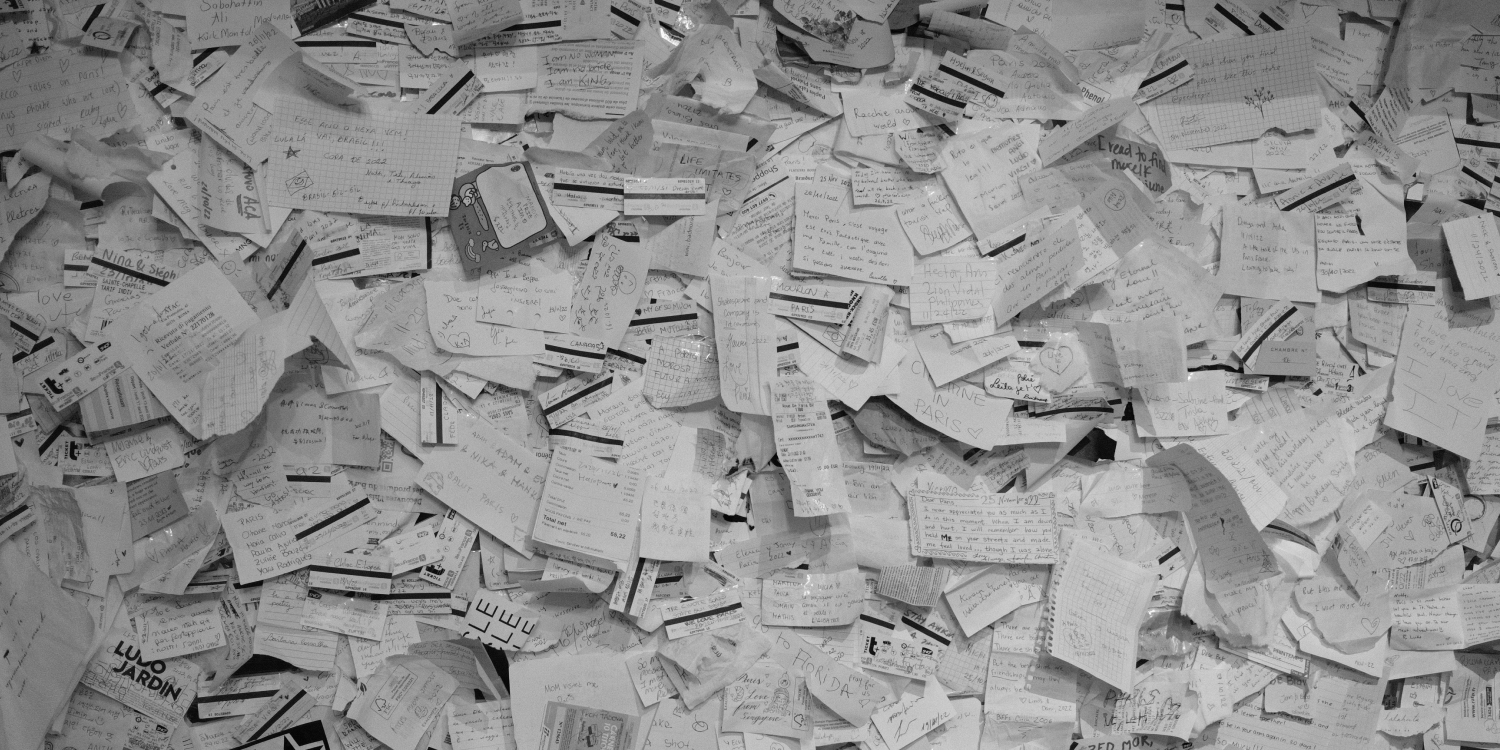
Inside were receipts—not for sales, but stories.
- Tia’s photo: now a teacher, funded by a scholarship Kairo helped sponsor.
- A kid from Marlowe’s east side: now running his own repair truck.
- Lucas: sober for 5 years, now a mentor to others on the street.
- Marla: elected councilwoman, pushing for tech equity legislation.
At the back of the book was a page titled:
“Nathan’s Net Profit”
It listed no dollars.
Just a quote:
You built a system once. It took.
You built a community later. It gave.
Thank you for choosing to be more than rich.
Nathan cried. Not because he regretted his past. But because he finally saw it for what it was: Capitalism wasn’t a villain. Nor was it a savior.
It was a tool.
And tools, in the hands of the broken, often build empires that forget their foundations.
But in the hands of those who remember what it was like to be hungry—to be human—they can rebuild something gentler. Something fair.
Nathan closed the scrapbook, looked out over the Marlowe skyline, and whispered: “Let this be my last receipt.”
Leave a Reply