
By Amal Hasan
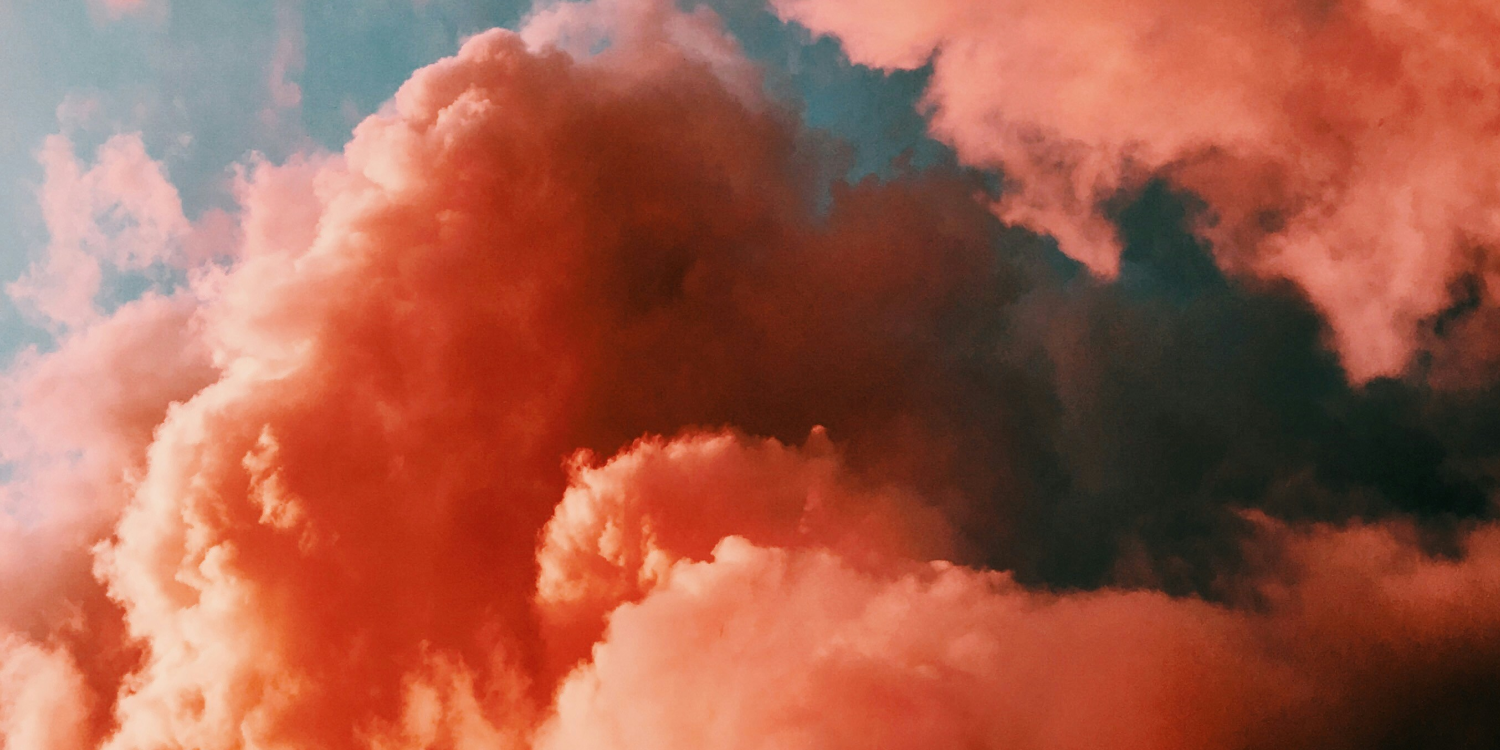
We never expected the sky to come back.
By “we,” I mean the people who lived beneath the black clouds of the old world. The world where every hour cost you something—your health, your pride, your language, your roots. Where even love had an invoice, and the rest was seen as a failure.
I was born in the Ash Zone, in a city named after a man who owned people. The name is gone now, burned off the maps like so many of their monuments. But back then, we knew it as home—home to smoke-choked air, police drones, concrete walls topped with recycled razor wire. People got fined for hanging laundry outside. Kids were suspended for speaking their first language in school. We lived like we were being watched because we were. Always.
Then came the Breach.
Some call it the Revolution. Others say it was a Collapse. But those of us who lived through it don’t call it anything clean. It was messy and terrifying. Fires in the streets. Solar grids breaking. Armed guards abandoning their posts. Food lines stretching for miles. The fall of money was fast and brutal. The banks closed first, but the fear stayed open.
I was sixteen then, stealing antibiotics for my diabetic aunt and learning to grow mushrooms in the husk of an abandoned factory. My friends and I took turns standing guard with kitchen knives duct-taped to broom handles. I remember thinking, ‘This can’t be the end.’ Not because I believed in hope, but because I couldn’t accept that this was all we were meant for.
The Breach tore things open, but it also let in the light.
The old systems—capitalism, empire, the violence of “normal”—didn’t vanish overnight. They clawed and screamed on their way out. But we were louder, not with weapons, but with refusal. We stopped clocking in. Stopped trading survival for approval. We built co-ops in the rubble. Turned broken malls into clinics. Replaced police with trained neighbors who knew how to de-escalate without killing anyone. We invented ways to share food, shelter, and stories.
Some things were born again. Others had to die.
Now, decades later, I live in a place we call Tariquna—“Our Path.” It’s not a utopia. But it’s alive in a way the old cities never were.
Here, we don’t use currency. Contribution is how we measure value, not in hours or outputs, but in care, in courage, in connection. You cook for the block one week; someone helps build your solar unit the next. Need is not a shameful thing. We meet it together.
The first time someone offered me a home without asking for proof of income, I cried.
I cried again the first time someone apologized to me before I told them they’d hurt me.
And the first time I heard a child say, “My teacher is a wheelchair user and she built our orchard,” I felt something deep in my chest unclench.
We keep memory alive here—not out of nostalgia, but responsibility. Every neighborhood has a Memory Keeper. That’s my role. I archive stories. Not just the celebratory ones, but the hard ones. The truths we used to be punished for telling.
Today, I interviewed someone named Aaliyah.
She arrived last cycle from a surviving border town. She sat across from me on the veranda, wrapped in a saffron shawl embroidered with the names of people she lost.
“Do you want to talk about the crossing?” I asked.
She nodded. “But I want to start with before. With my mother. She used to tell me, ‘Silence is the tax we pay to stay alive.’”
I didn’t interrupt. I’ve learned to let silence breathe.
Aaliyah went on. She talked about being denied asylum five times, being locked in a privatized detention center for crossing a river she grew up beside. About how they made her choose between her daughter and her documents. About how her accent was mocked in court. About finding out her father died while she was in a room with no windows and cameras watching her sleep.
I wrote it all down. Her voice was steady. Mine wasn’t.
At the end, she asked me, “Do you think they’ll read this one day? The ones who still don’t believe we were in cages?”
“I don’t know,” I said. “But I know we’ll remember. And remembering is a kind of justice.”
Aaliyah didn’t cry. Neither did I. We just held hands across the table. That, too, is how we archive here.
Sometimes I get asked what the hardest part of this new world is.
It’s not the shared bathrooms or the weekly consensus meetings or even compost duty. It’s learning to trust safety. To believe that no one is coming to evict me, arrest me, exploit me. That the pain I carry is real, and also not permanent.
Last night, someone read a poem in the community circle that ended with:
“We don’t want power over. We want power with.”
We clapped, not like an audience, but like a heartbeat.
After the poem, a seven-year-old handed me a piece of paper. On it was a drawing of the sun returning through clouds, smiling. “This is your story,” she said. “It’s about the sky coming back.”
I told her, “Thank you. I didn’t know it had returned.”
She looked at me like I was silly. “It’s been back a while. You just needed to look up.”
And so I did.
Leave a Reply